
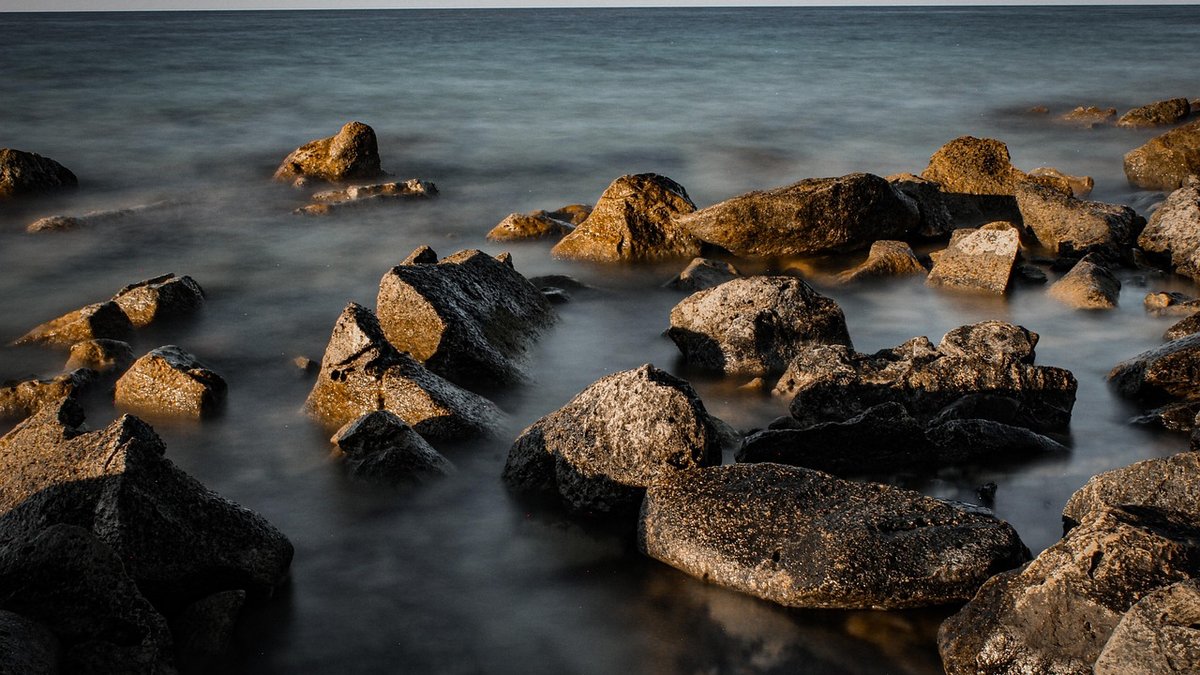
Rock pooling is one of the great free pleasures of a British seaside holiday. It costs nothing, works on almost any beach with a bit of reef or a harbour wall, and holds a child's attention longer than most paid attractions. But the difference between a magical hour and a soggy, stressful one is almost always the tide.
Get hold of a local tide table — the harbour noticeboard, the tourist information window, the printed sheets in the chip shop — and work backwards from low water. The best window is the two hours either side of low tide, ideally on a falling tide: the sea has already pulled back and left clean pools, and you are watching the water return rather than racing it. Never begin rock pooling on an incoming tide, and never let a headland or a rising channel come between you and the way back to the beach.
Two habits keep this simple. First, pick a landmark on the shore — a groyne, a particular boulder, the lifeboat station — and agree that when the water reaches it, you leave. Second, turn around regularly and look at the route you came in by. The beach looks entirely different with the water up. On bigger spring tides, the sea can move faster than a small person can walk over uneven ground, so keep the exploring modest and close to dry sand.
Wet rock with a film of green seaweed is genuinely treacherous, and smooth-soled wellies are the worst thing you can put on it. Wellies are brilliant for splashing in the shallows and hopeless for clambering over boulders. The better choice is a pair of old trainers with deep tread, or neoprene wet-suit booties, which stay warm when wet and grip well.
Bare feet seem romantic and are a poor idea: barnacles and limpet shells cut, and cuts picked up in sea water can become sore and infected. Flip-flops belong on sand and nowhere else.
Keep children away from the outer edges of any rocky platform, and never let anyone stand above a drop, however shallow it looks. Crouching is the rock pooler's posture: get down at the water's edge with your weight low, and the whole pool comes into view. It is safer, warmer and much better for spotting things.
You need far less than you think. A small net, a shallow white tray — an old ice-cream tub is perfect — and a magnifying glass will do. White trays make pale, translucent creatures visible, and shallow ones keep the water oxygenated and cool.
Half-fill the tray with sea water from the pool you are working in. Never use tap water; fresh water kills marine life quickly. Skip the big bucket, too: creatures crowded together overheat and suffocate. Keep the tray in the shade, out of direct sun, and never walk away from it. Twenty minutes is a generous visit.
Some of the best rock pooling involves catching nothing at all. Beadlet anemones sitting closed like dark jellies, prawns flicking backwards with a snap, a blenny peering out of a crevice, a chiton clamped to a stone — all of it is visible with patience and a low head. Counting species or colours is a lovely game for tired legs.
Wet hands, gentle contact, no prodding or squeezing. Anemones do not need to be poked open, and fish and prawns are best watched in the tray rather than held. Never prise a limpet off its rock; their grip is a small marvel, and they rarely survive being moved.
When you are finished, return everything to the exact pool it came from. Tip the tray gently rather than pouring, and let the children do it themselves — that moment of release is half the point. Same rock, same side up, and the pool settles as if you had never been there. Check local signs, too: some reserves ask that nothing at all is taken home. A photograph is the better souvenir.
Cold water, wind and concentration are tiring in a way children don't notice until they stop. Bring a flask, dry socks and something to eat, and let the last half hour of the outing be sitting still on a wall watching the tide come back over the ground you have just explored.
This is where the wellbeing quietly happens. Cold hands, warm hands, a shared thermos, a page in a notebook listing what you saw — these are the holiday memories that outlast the amusement arcade. Rock pooling works in February as well as August, with more layers and a shorter visit, and it turns any bit of British coast into somewhere worth returning to. Teach them to tread lightly, look closely and put everything back, and the sea will keep giving you both something to talk about on the drive home.

Hi, my name is Anthony kuber. I am artist and fashion designer.
I love to travel and writing blogging.
Your email address will not be published. Required fields are marked *
Software Developer & Writer
Hey, I'm Diva, a developer and writer blending code and creativity. I'm driven by a deep curiosity and a relentless pursuit of excellence. Join me as I craft digital solutions and captivating stories.


